Sinusitis: Causes, Symptoms, Surgery & Best Treatment Options
Sinusitis is a condition in which the lining of the sinuses becomes inflamed, leading to blockage, infection, and discomfort. The sinuses are hollow spaces in the skull that play an important role in filtering air, producing mucus, and enhancing voice quality.
Causes of Sinusitis:
Sinusitis can develop due to viral infections such as the common cold, bacterial or fungal infections, allergies, nasal polyps, or structural abnormalities like a deviated septum. Exposure to pollution, dust, smoke, and sudden weather changes can further irritate the nasal passages and increase the risk of sinus inflammation, especially in urban environments.
Symptoms to Watch For
Common symptoms include facial pain or pressure (especially around the eyes, cheeks, and forehead), blocked or stuffy nose, thick nasal discharge, headaches, reduced sense of smell, fever, fatigue, bad breath, and post-nasal drip. In chronic cases, symptoms may last for more than 12 weeks and can lead to recurring infections and breathing difficulties.
Advanced Treatment Options
Sinus Surgery (FESS – Minimally Invasive Solution)
Patients who do not respond to medication, advanced surgical Endoscopic Sinus Surgery (FESS) are recommended. This procedure uses high-definition endoscopic cameras and precision instruments to remove blockages, clear infected tissue, and restore normal sinus drainage. It ensures faster recovery, minimal pain, and improved breathing outcomes.
Treatment depends upon the patient severity, and it cannot be managed with medications such as decongestants, antihistamines, antibiotics, and nasal sprays. Supportive therapies like steam inhalation, saline rinses, hydration, and allergy control can also provide relief and prevent recurrence.
Prevention & Care Tips:
At Regal Hospital, patients benefit from 24/7 emergency care. A modern diagnostic facilities, and the latest medical technology for sinus treatment and surgery. The hospital with advanced endoscopic systems, state-of-the-art operation theatres, and well-equipped ICUs to handle both routine and complex ENT cases. Experienced ENT specialists provide personalized care, ensuring accurate diagnosis and effective treatment plans tailored to each patient.
Maintaining proper hygiene, avoiding allergens, staying hydrated, and using humidifiers can help prevent sinus infections. Early medical attention is key to avoiding complications and ensuring long-term relief.
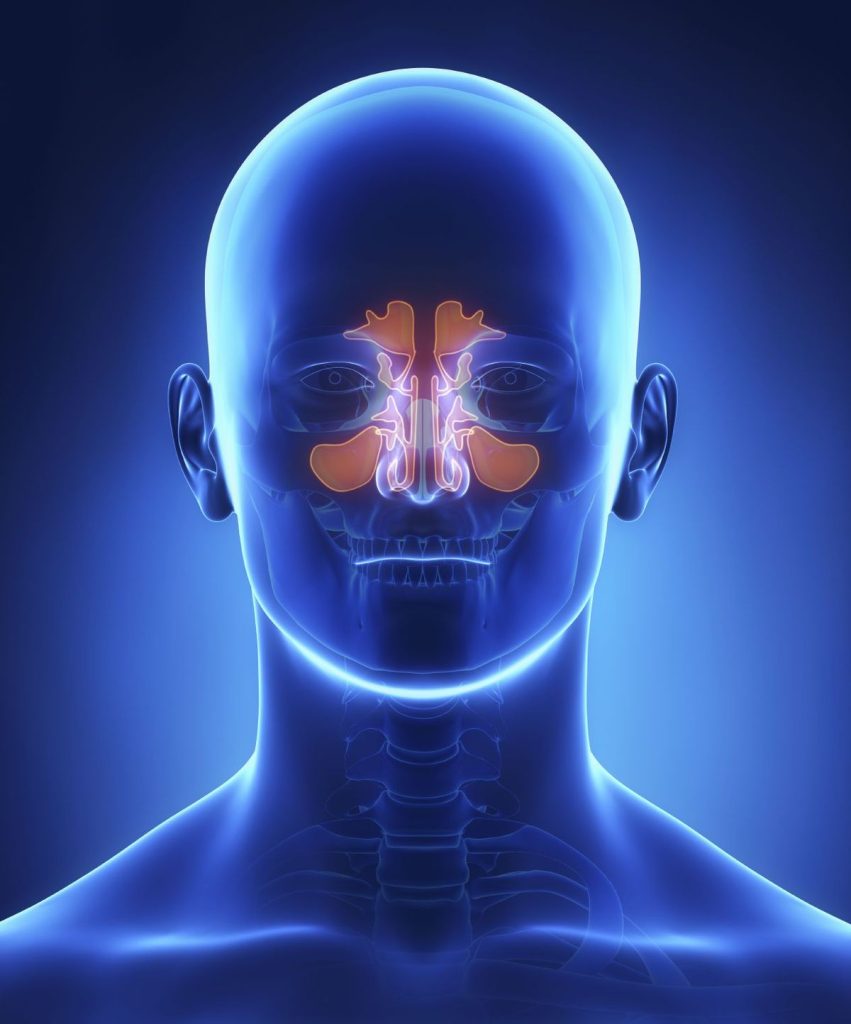
Sinus Picture 1

Sinus Picture 2