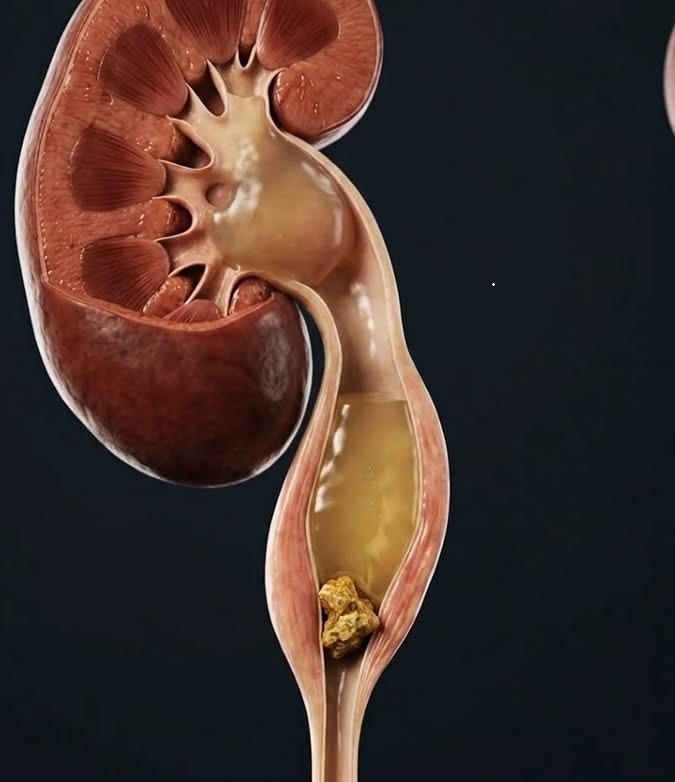
Urinary stones are a common urological condition that can cause severe pain and discomfort if left untreated. With advancements in medical technology, modern procedures like Ureteroscopy (URS) have made stone removal safer, quicker, and less invasive. URS is a highly effective technique used to diagnose and treat stones located in the ureter and sometimes in the kidney.
URS is a minimally invasive endoscopic procedure that does not require any cuts or incisions. During the procedure, a thin, flexible or rigid scope called a ureteroscope is passed through the natural urinary pathway—via the urethra, bladder, and into the ureter. This allows the surgeon to directly visualize the stone and treat it with precision.
Once the stone is located, it can either be removed using special instruments or broken into smaller pieces using laser energy. These smaller fragments are then either extracted or allowed to pass naturally through urine. The use of laser technology ensures minimal damage to surrounding tissues and improves the success rate of the procedure.
One of the key advantages of URS is its ability to treat stones that are difficult to pass naturally or are located in narrow parts of the urinary tract. It is particularly useful for stones in the ureter that cause blockage, pain, or infection. URS is also commonly recommended when other treatments like medication or shock wave therapy are not effective.
The procedure is typically performed under general or spinal anesthesia and usually takes about 30 minutes to 1 hour, depending on the size and location of the stone. Most patients require only a short hospital stay, and in many cases, the procedure can be done on a day-care basis.
After URS, a temporary stent may be placed in the ureter to ensure proper urine flow and healing. Patients may experience mild discomfort or a burning sensation during urination for a few days, which gradually improves. Recovery is generally quick, and most patients can return to normal activities within a few days.
URS offers several benefits compared to traditional open surgery. These include no external cuts, reduced pain, minimal bleeding, shorter hospital stay, and faster recovery. The procedure is considered safe and effective when performed by experienced urologists.
In addition to treatment, preventing the recurrence of urinary stones is important. Patients are advised to maintain proper hydration, follow dietary recommendations, and undergo regular medical check-ups. Identifying the cause of stone formation can help in reducing future risk.
In conclusion, Ureteroscopy (URS) is a modern, minimally invasive, and highly effective procedure for treating ureteral stones, offering excellent outcomes with minimal discomfort. Early diagnosis and timely treatment can help prevent complications and ensure a faster return to normal life.
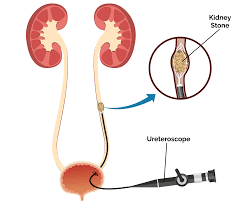
URS Picture
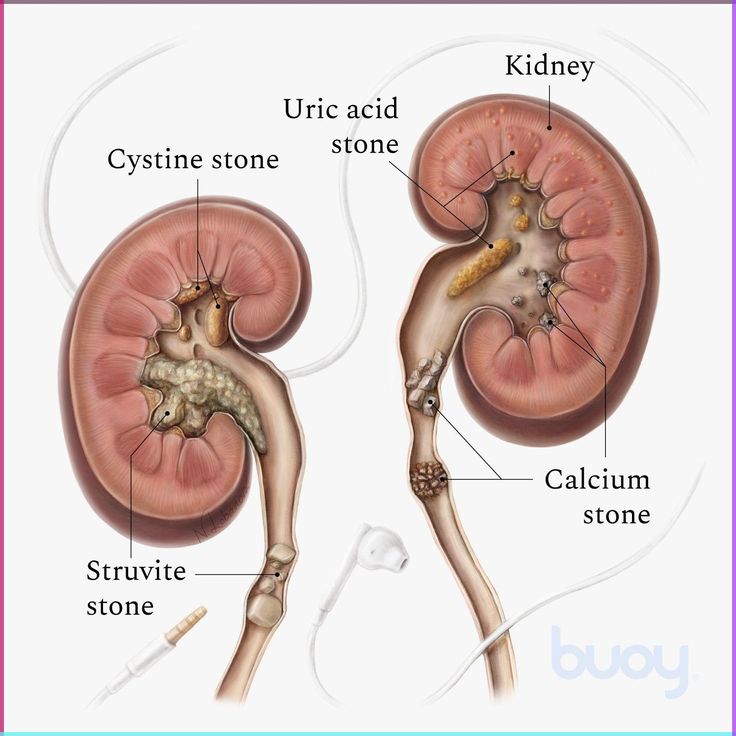
URS Picture 2