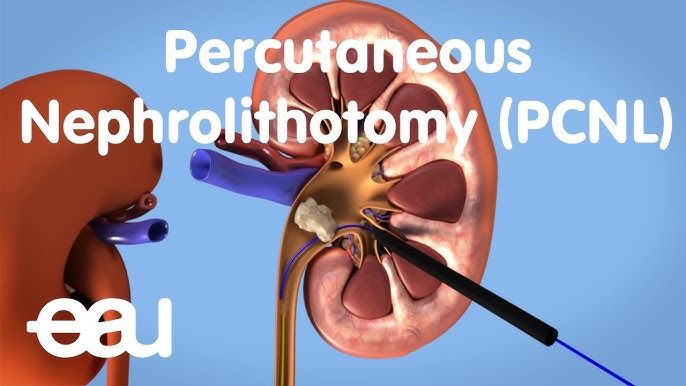
Kidney stones can cause severe pain and discomfort, especially when they grow large or become difficult to pass naturally. While smaller stones may be treated with medication or non-invasive techniques, larger or complex stones often require advanced surgical intervention. One of the most effective procedures for such cases is Percutaneous Nephrolithotomy (PCNL).
PCNL is a minimally invasive surgical procedure designed to remove large kidney stones directly from the kidney. Unlike traditional open surgery, this technique involves making a small incision in the back, through which a thin tube is inserted into the kidney. Using specialized instruments, the surgeon locates, breaks, and removes the stones efficiently.
This procedure is typically recommended for kidney stones larger than 2 cm, multiple stones, or stones that have not responded to other treatments such as shock wave therapy or ureteroscopy. It is also preferred for complex stones that occupy a large portion of the kidney.
One of the key advantages of PCNL is its high success rate in achieving complete stone clearance in a single procedure. Because the surgeon can directly access the kidney, larger stones can be removed more effectively compared to other methods. This reduces the need for multiple procedures and ensures faster relief for patients.
PCNL is usually performed under general anesthesia and takes about 2 to 3 hours, depending on the size and complexity of the stones. During the procedure, advanced imaging techniques are used to guide the instruments and ensure precision.
Compared to open surgery, PCNL offers several benefits, including smaller incisions, reduced pain, less blood loss, and a shorter hospital stay. Most patients can return to normal activities within 1 to 2 weeks, making it a preferred choice for many individuals with large kidney stones.
After the procedure, patients may require a short period of observation in the hospital. A temporary tube or stent may be placed to help drain urine and ensure proper healing. Doctors usually recommend drinking plenty of fluids and following dietary guidelines to prevent future stone formation.
Although PCNL is a safe procedure, like any surgery, it carries some risks such as bleeding, infection, or injury to surrounding structures. However, with experienced surgeons and proper care, these risks are minimal.
Preventing kidney stones is an important part of long-term care. Staying well-hydrated, maintaining a balanced diet, and undergoing regular check-ups can help reduce the risk of recurrence.
In conclusion, PCNL is a highly effective and advanced treatment for large and complex kidney stones, offering patients a safe, minimally invasive option with excellent outcomes. Consulting a specialist at the right time can help determine the most appropriate treatment and ensure a smooth recovery.
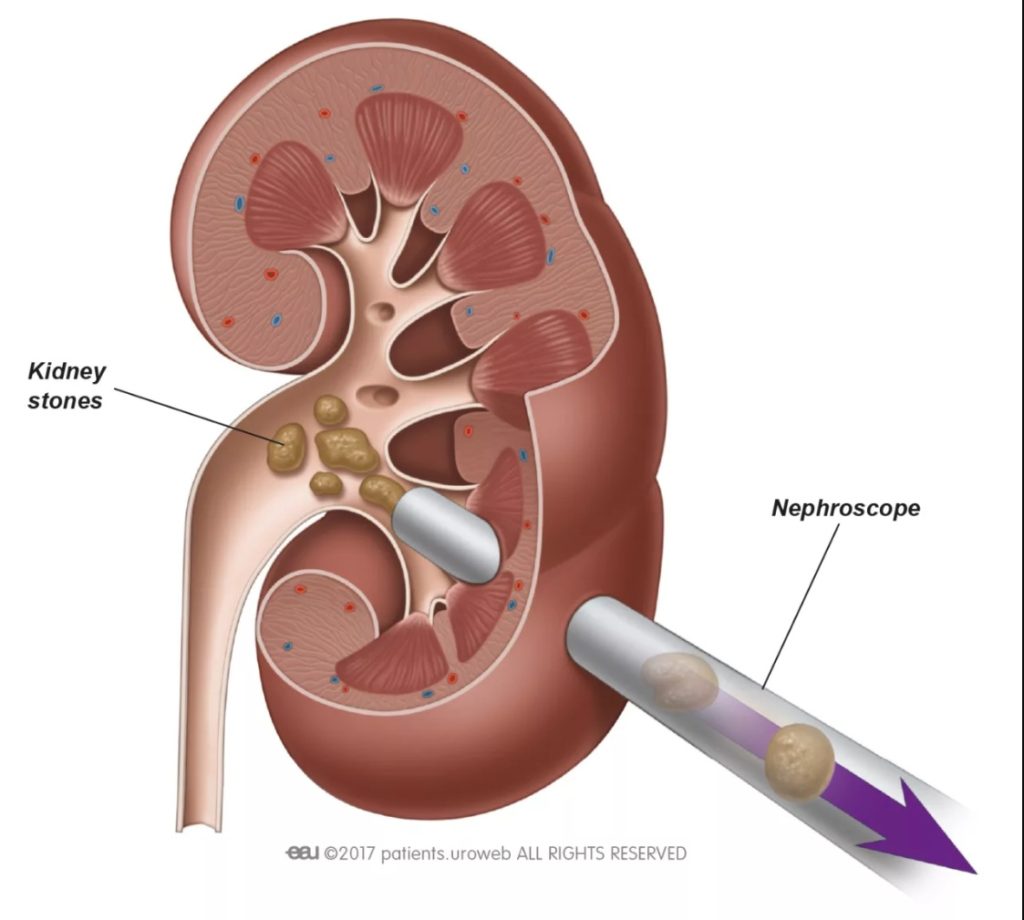
PCNL Picture